

By upper elementary school, third through fifth grade, kids can do a lot with a great toy. Eight-, nine-, and ten-year-olds are increasingly ready for longer projects, harder problems, more complicated rules, and games that require real strategy. The best educational toys for 10 year olds—and for slightly younger elementary students—take advantage of that growing independence.
The goal is still to have fun. But at this age, fun can go hand-in-hand with mastering something difficult: solving a puzzle that initially seemed impossible, building a working machine, winning through a clever strategy, or completing a science experiment without an adult directing every step.
For this guide, we looked for educational toys for 8, 9, and 10 year olds that combine genuine academic or cognitive value with enough challenge to keep older elementary students interested.
What Makes a Good Educational Toy for an Older Elementary Student?
For younger children, almost any toy that encourages experimentation, reasoning, or creativity can offer meaningful educational value. By third through fifth grade, we expect a little more.
Strong educational toys for 10 year olds should give children opportunities to apply skills, make decisions, develop strategies, and tackle increasingly difficult challenges.
That could mean:
- designing and testing a working machine;
- planning several moves ahead in a strategy game;
- following a multi-step science experiment;
- solving spatial or logic puzzles;
- writing, drawing, or creating independently; or
- building something complicated enough that the first attempt might fail.
At Ages 8–10, Look for Challenge—not Just “Learning”
One important change happens as children move through elementary school: the right amount of difficulty becomes part of the fun.
A puzzle that can be solved immediately gets boring. A construction set with only one simple build may not last long. A game based mostly on luck gives a child little reason to develop a better strategy.
Instead, look for toys that reward:
- planning;
- working memory;
- flexible thinking;
- strategy;
- persistence; and
- learning from unsuccessful attempts.
Research on board and card games offers a good example. In a randomized controlled trial involving children ages 7–12, researchers found improvements over time in cognitive flexibility and inhibition among children playing modern board and card games. The researchers noted that the games tended to engage executive-function skills even when those skills were not the game’s explicit educational objective.
A larger 2024 randomized study of 522 primary-school students also found greater improvements in working-memory updating and academic skills among students who played modern board games in class than among students receiving regular instruction.
That does not mean every board game is brain training. It does suggest something more useful for gift shopping: games that require children to remember, plan, adapt, and make decisions can offer meaningful cognitive challenges.
Help Kids Turn Interests Into Skills
With younger children, a good educational toy can introduce a completely new interest. That is still valuable for eight-, nine-, and ten-year-olds, but by this age many children are beginning to show stronger preferences of their own.
One child loves astronomy. Another draws constantly. Another wants to know how every machine works. Another reads everything about animals. Another has suddenly become unbeatable at chess.
That changes how we think about educational toys for 8 year olds, 9 year olds, and 10 year olds. Instead of asking only, What could this introduce?, also ask: What could this help my child get better at?
An interested young astronomer may be ready for a beginner telescope. A child who loves building may enjoy a set that introduces gears, motors, or mechanical engineering. A puzzle fan might be ready for a genuine strategy game rather than another simple matching activity.
This matters because academic interests start developing well before adolescence. Long-term research following children from about age seven onward has found connections between academic interest and school performance, with the two tending to change together over time.
At this age, a good gift can do more than spark an interest. It can give a child the tools to pursue that interest further.
Educational Toys Can Make Learning Social
Some of the best educational gifts are also social ones. Board games, cooperative challenges, construction sets, and shared projects give children natural opportunities to take turns, explain ideas, negotiate, cooperate, and handle winning or losing.
Those interactions can matter. In one randomized study of 328 fifth graders, students who played a collaborative board game—especially when the game was paired with discussion—showed gains in empathy and healthier attitudes toward intervening in bullying. Another study involving children ages 9–13 found that a collaborative activity paired with guided conversation could increase feelings of closeness between peers.
Of course, buying a board game will not automatically improve a child’s social skills. But gifts that encourage children to play, solve problems, and make decisions with other people can create valuable practice for communication and cooperation—while still being something kids actually want to do.
How We Chose the Best Educational Toys for 10 Year Olds
There is no shortage of products marketed as educational. For students in grades 3–5, we focused on eight qualities:
- Fun and engagement: Will an 8-, 9-, or 10-year-old actually choose to use it?
- Educational depth: Does it go beyond basic facts or simple drills?
- Appropriate challenge: Does it require real thought without becoming needlessly frustrating?
- Problem-solving: Does the child need to strategize, experiment, design, or revise?
- Independent use: Can an older elementary student get meaningful use from it without constant adult help?
- Replay or project value: Is there enough depth to keep it interesting?
- Quality and value: Does the experience justify the price?
- Interest-building: Can it help a child deepen an academic, creative, or intellectual interest?
We also looked for variety. Our recommendations for educational toys for 10 year olds will not all be science kits, coding toys, or board games. Children this age have increasingly distinct strengths and interests, and a good gift should reflect that.
Our 10 Best Educational Toys for 10 Year Olds
Best Educational Toys for 10 Year Olds
| Item | Category | Price |
| Electronic Microscope | Science & Nature | $33.99 |
| National Geographic Earth Science Kit - Editor's Pick! | Science & Nature | $29.99 |
| Kids Gardening Kit - Editor's Pick! | Science & Nature | $26.99 |
| Thames & Kosmos SolarFlower | Engineering & Mechanics | $24.95 |
| Thames & Kosmos Structural Engineering: Bridges & Skyscrapers | Engineering & Mechanics | $45.95 |
| GraviTrax Starter Set | Engineering & Mechanics | $59.99 |
| Snap Circuits Electronics Kit | Coding, Robotics, & Tech | $32.99 |
| Sphero Mini Coding Robot Ball - Editor's Pick! | Coding, Robotics, & Tech | $50.00 |
| Makeblock mBot2 Coding Robot | Coding, Robotics, & Tech | $66.49 |
| Kanoodle Brain Teaser | Logic & Executive Function | $19.97 |
| BrainBolt Memory Game | Logic & Executive Function | $23.99 |
| ThinkFun Rush Hour - Editor's Pick! | Logic & Executive Function | $19.95 |
| Bananagrams | Reading & Languages | $11.99 |
| Rory's Story Cubes | Reading & Languages | $14.99 |
| Spanish Vocabulary Bingo | Reading & Languages | $19.99 |
| Origami Kit | Art & Creativity | $13.99 |
| Loom Kit | Art & Creativity | $36.99 |
| Digital Camera/Instant Printer | Art & Creativity | $33.99 |
| 3Doodler Start+ Pen Set | Art & Creativity | $52.81 |
| Drawing/Painting Kit | Art & Creativity | $35.99 |
Our selections focus on educational toys for 10 year olds, but many are also excellent educational toys for 8 year olds and 9 year olds. Each recommendation will include an appropriate age range so parents can judge the fit for their child.
The 10 Best Educational Toys for 10 Year Olds, Reviewed
Science & Nature
Electronic Microscope
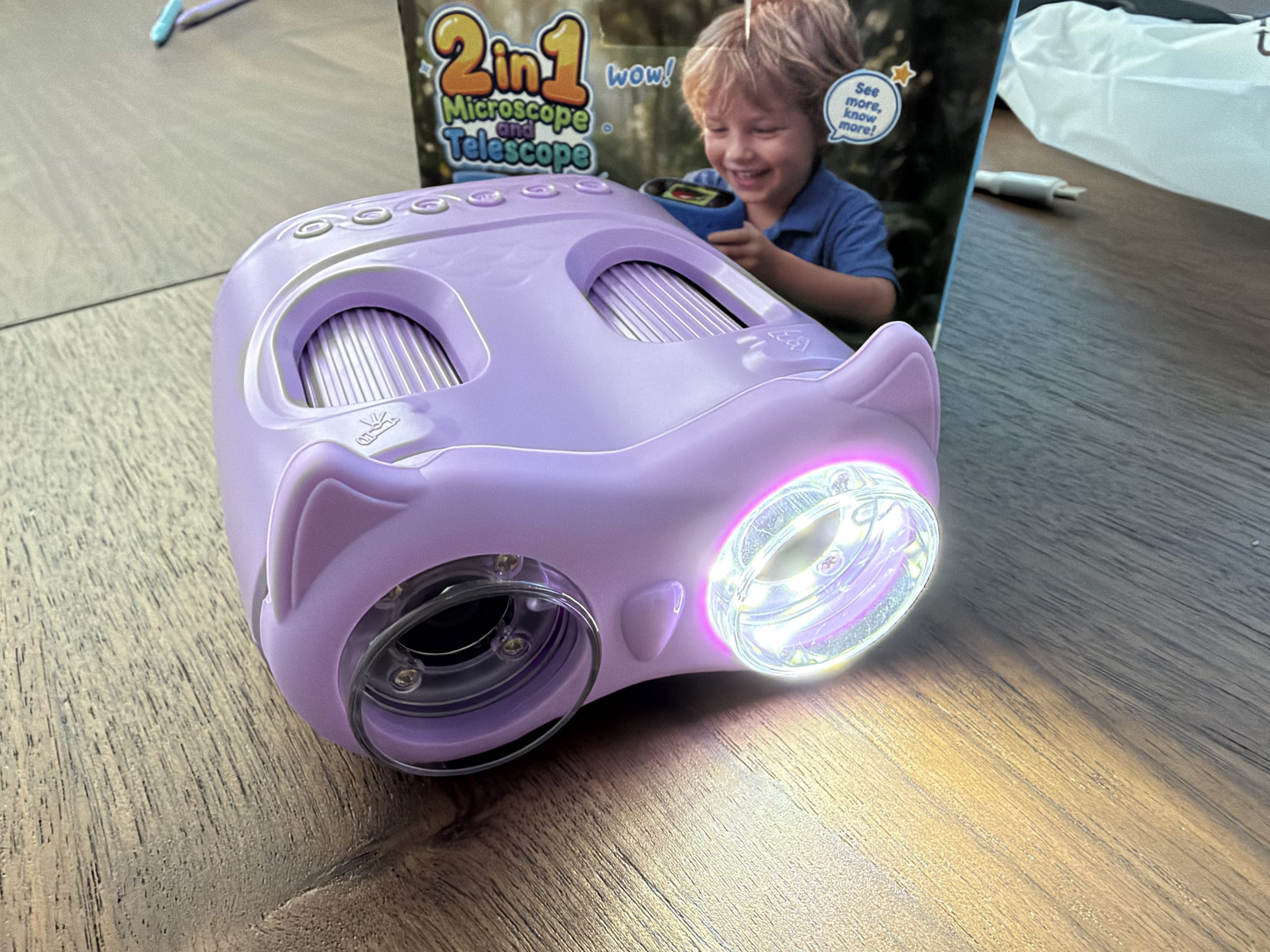
This portable digital microscope is a versatile option for kids interested in exploring both the microscopic world and the outdoors. Its dual-purpose design combines 1000X microscope magnification with 10X distance viewing, while a built-in 2-inch screen makes it easy to examine specimens without looking through an eyepiece. Eight LED lights improve visibility, and the ability to capture photos and videos makes it particularly useful for science projects. However, its two-hour battery life may limit extended exploration, and the advertised 1000X magnification should not be confused with the optical clarity of a laboratory microscope.
Pros: Combines microscope and distance viewing; built-in screen; photo and video capabilities; portable and rechargeable.
Cons: Two-hour battery life; image quality at maximum magnification may be limited.
National Geographic Earth Science Kit – Editor’s Pick!
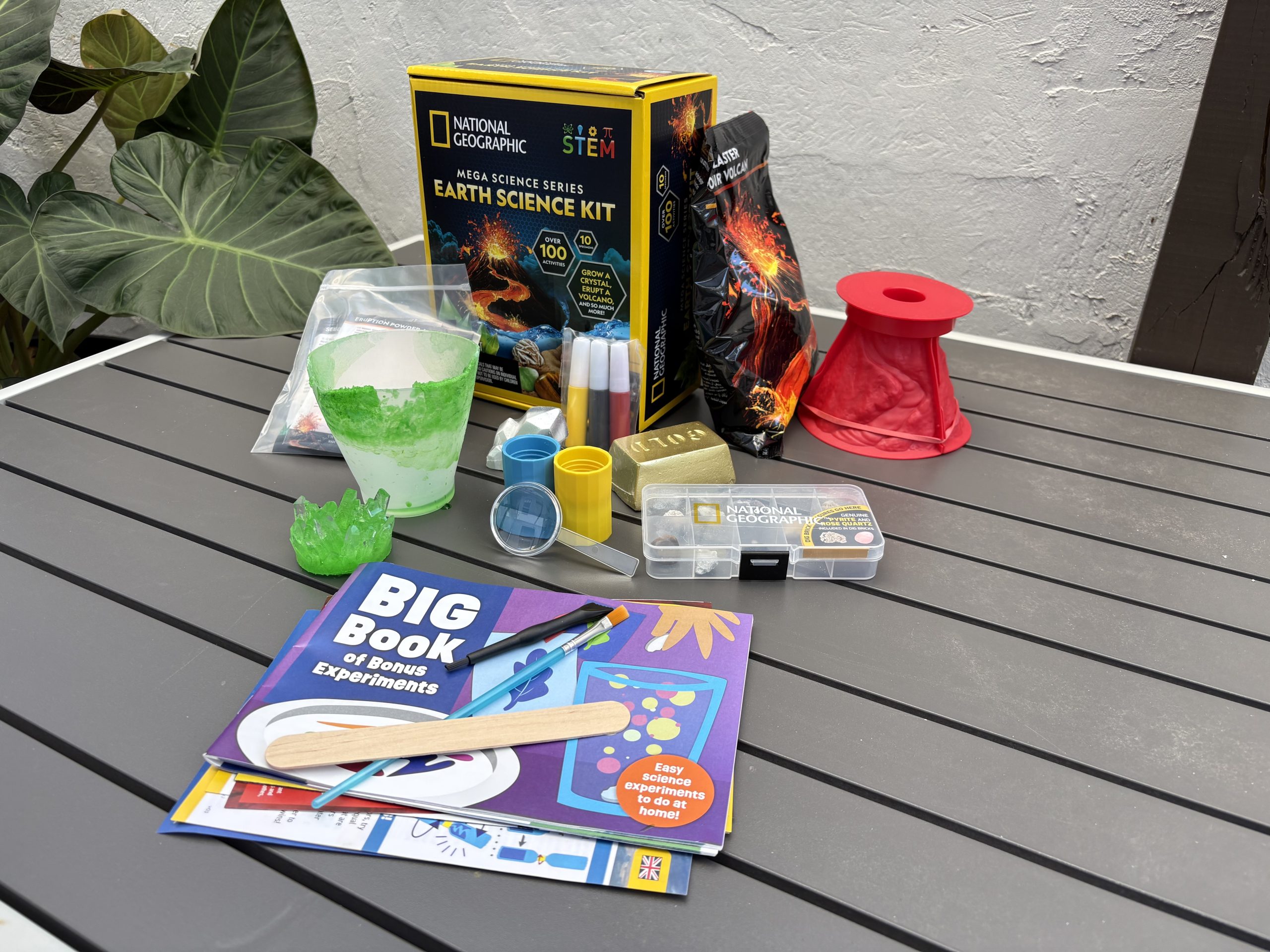
With experiments involving crystals, volcanoes, rocks, fossils, and other earth-science concepts, this kit offers considerably more variety than a single-project science set. That gives curious kids plenty to explore over multiple sessions, and the learning guide does a good job connecting the activities to actual science. Some experiments require household ingredients, however, and reviewers say the instructions could do a better job identifying certain components.
Pros: Excellent variety; strong replay/project value; good explanations of the science.
Cons: Some additional supplies are required; a few instructions could be clearer; definitely requires parental supervision.
Kids Gardening Kit – Editor’s Pick!
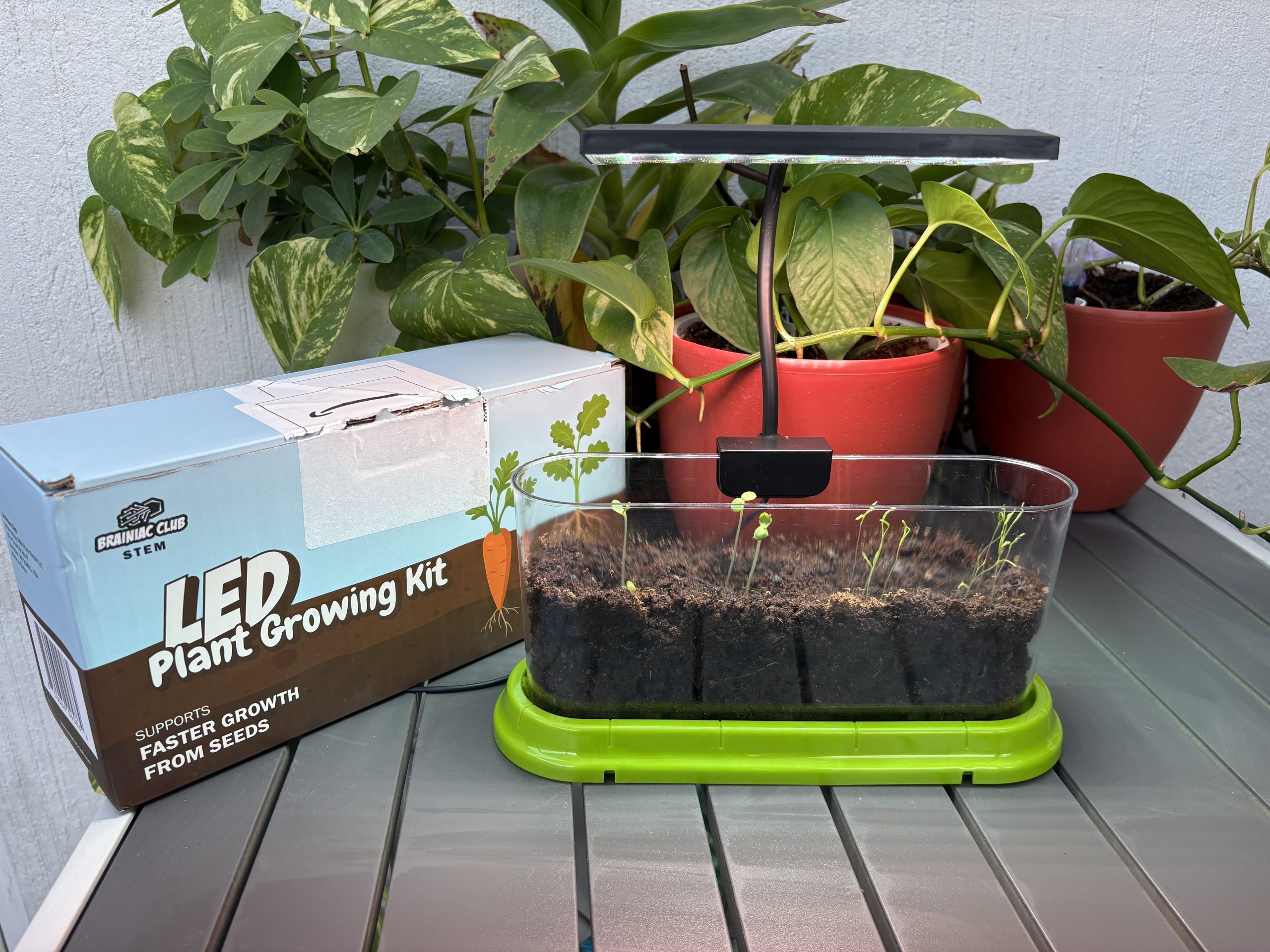
Tiny Gardening turns growing plants into a series of experiments involving photosynthesis, capillary action, light, gravity, and other plant-science concepts. The miniature greenhouse and tools make the kit appealing, while the 20 activities give it more educational depth than a basic grow-your-own-plant set. The obvious downside is that gardening requires patience—and some buyers report disappointing germination results when growing conditions are not right.
Pros: Combines gardening with genuine experiments; encourages patience and observation; good long-term project.
Cons: Results depend on seeds and growing conditions; slower payoff than most science kits.
Engineering & Mechanics
Thames & Kosmos SolarFlower
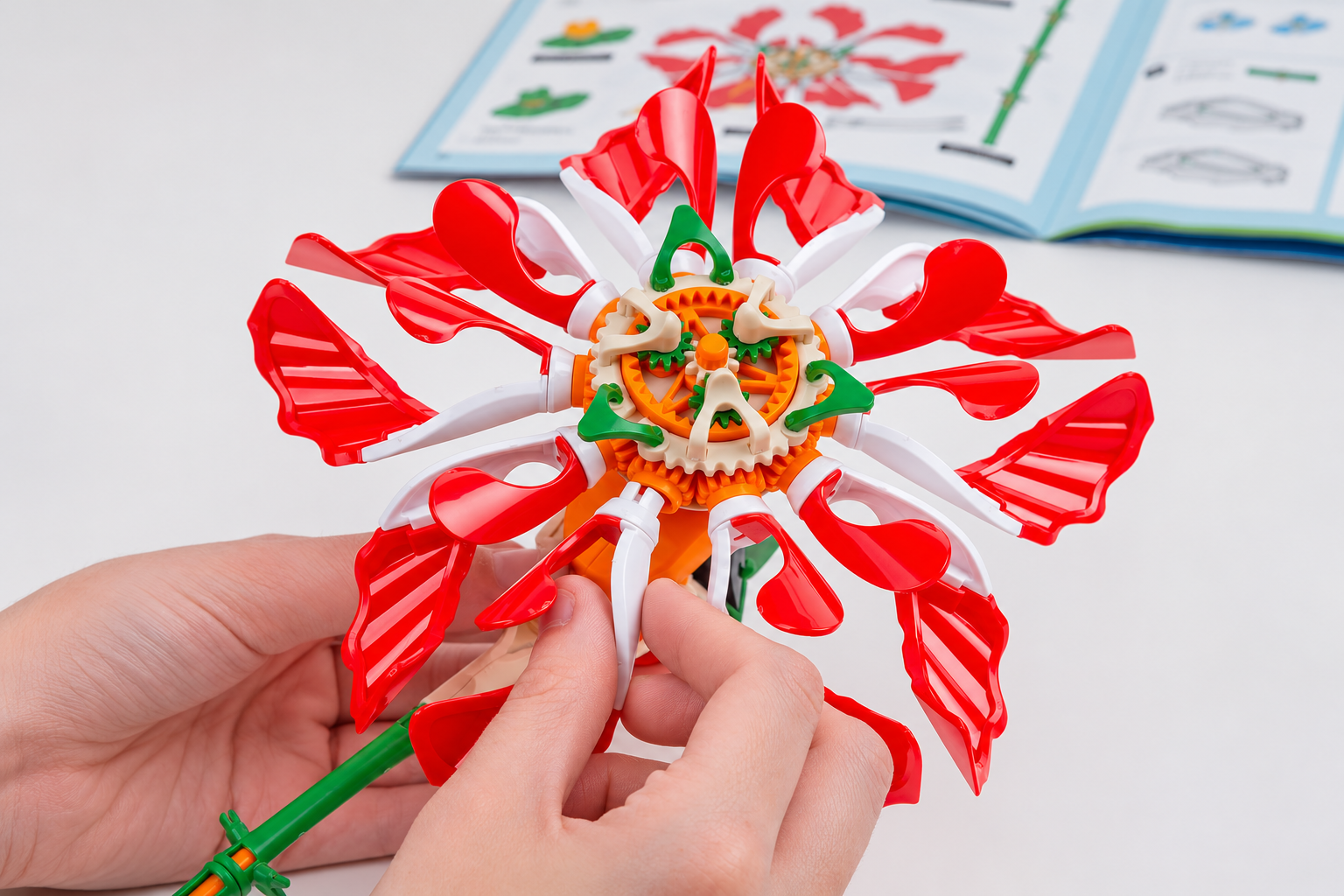
The SolarFlower is a satisfying engineering project because kids do not simply assemble a model: they build a working mechanism involving gears, a motor, and a solar cell. Reviewers praise the clear instructions and attractive finished result, but the 100-plus-piece build can require adult assistance, and the flower needs strong light to operate reliably.
Pros: Teaches solar energy and mechanics through an actual working build; impressive finished project.
Cons: Many small pieces; may need adult help; performance depends heavily on bright light.
Thames & Kosmos Structural Engineering: Bridges & Skyscrapers
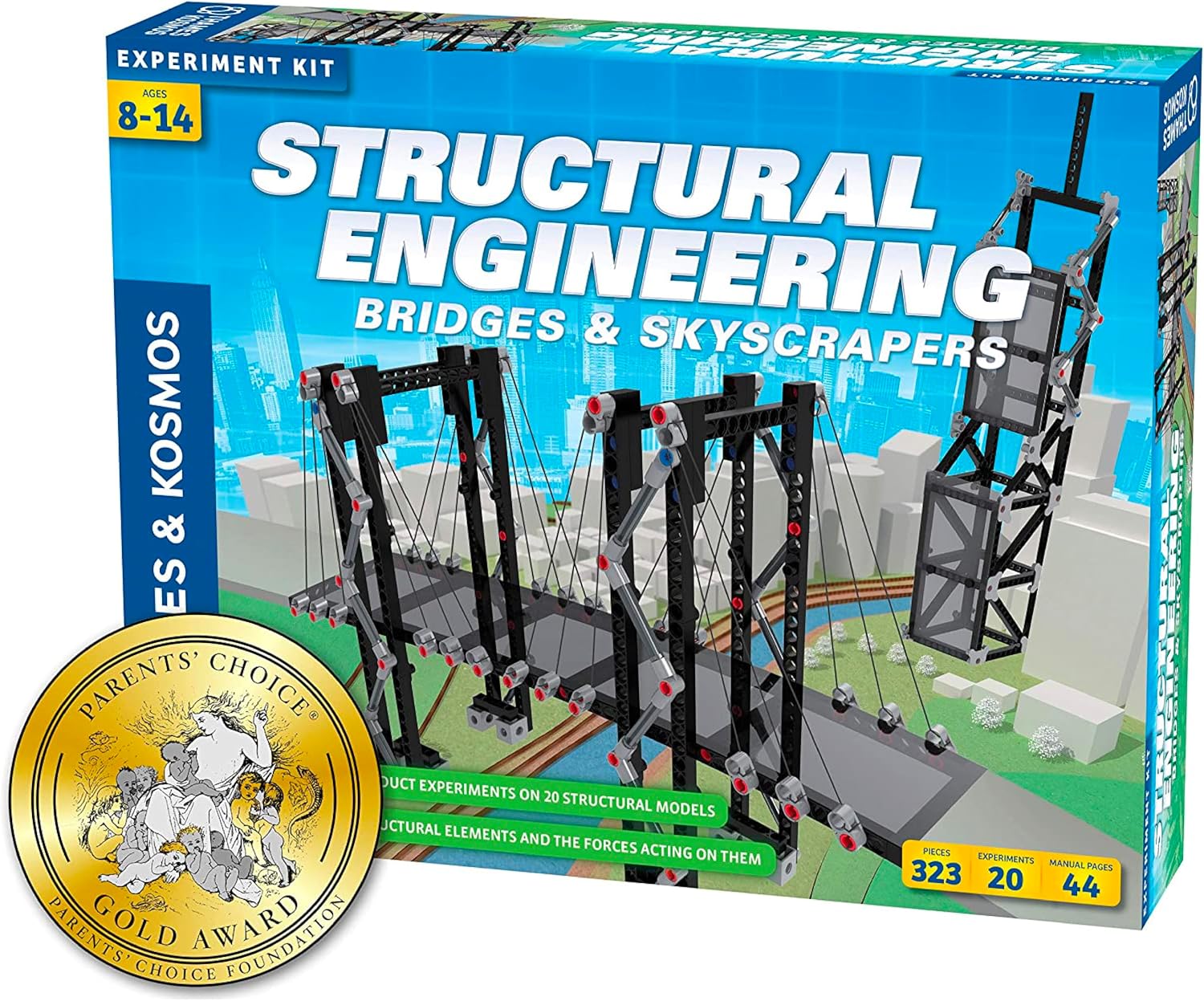
This kit is especially good for children who already like construction toys but are ready for something more purposeful. Its projects introduce real structural-engineering ideas while progressing through builds of different complexity, encouraging kids to think about why structures work rather than simply following instructions. Reviewers particularly praise the directions, challenge level, and construction quality.
Pros: Genuine engineering content; multiple increasingly challenging builds; sturdy and reusable.
Cons: More instruction-driven than completely open-ended building; less appealing to kids who do not already enjoy construction.
GraviTrax Starter Set
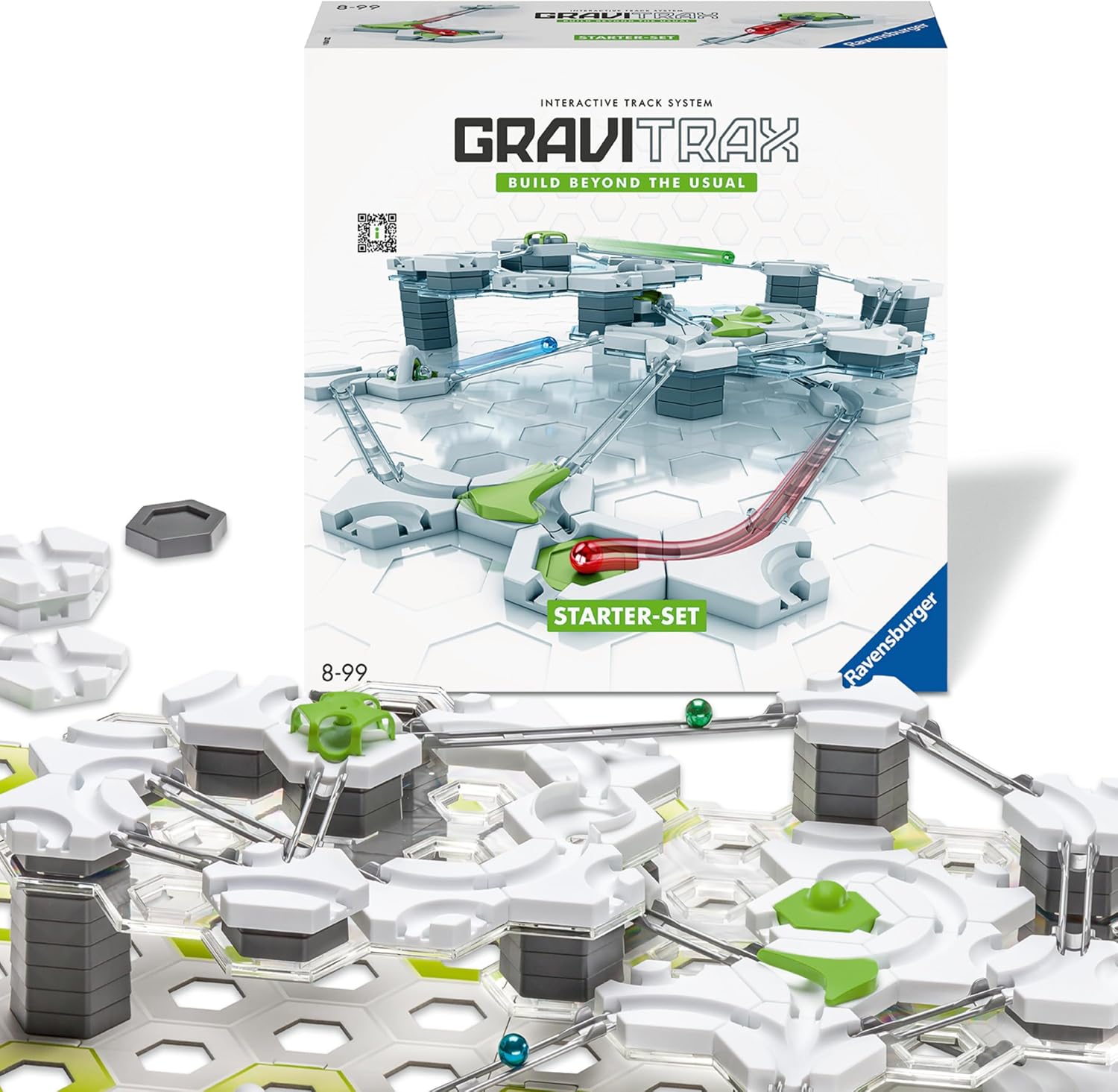
GraviTrax turns marble-run building into an ongoing cycle of designing, testing, failing, and adjusting—exactly the kind of productive problem-solving we like in an educational toy. Kids can experiment with gravity, momentum, and track design while creating increasingly elaborate runs. The tradeoff is that the system takes up considerable floor or table space, and enthusiastic builders may quickly want additional expansion pieces.
Pros: Excellent open-ended replay value; teaches physics through experimentation; rewards persistence and revision.
Cons: Needs substantial building space; expansions can make the system increasingly expensive.
Coding, Robotics, & Tech
Snap Circuits Electronics Kit
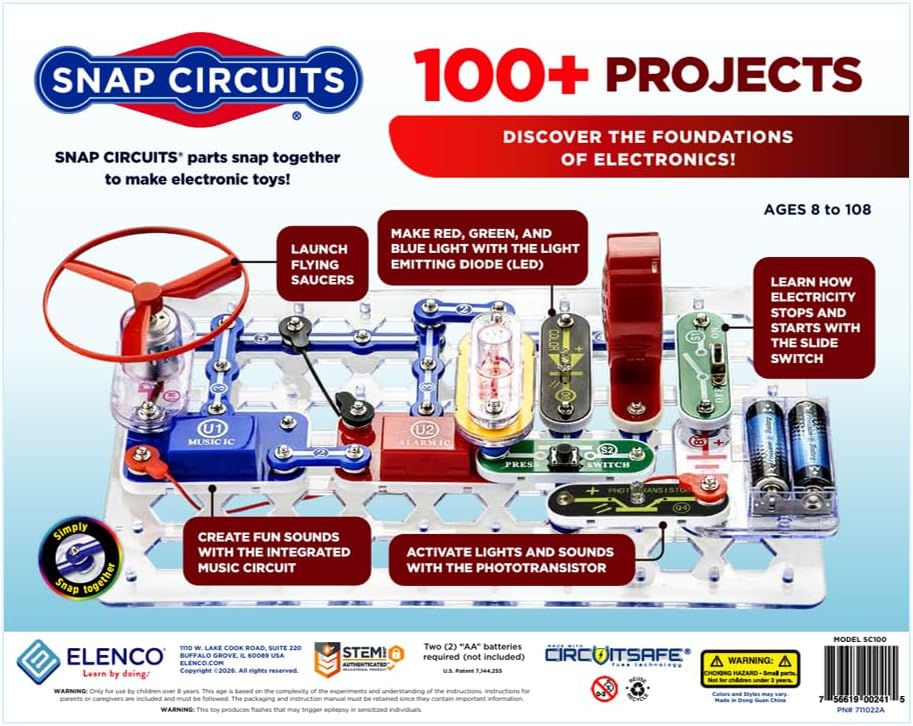
Snap Circuits makes electronics unusually approachable by letting kids build working circuits without soldering or complicated wiring. Reviewers consistently praise its ease of use, educational value, and component quality, and the large number of possible projects gives it much better staying power than a one-build STEM kit. Occasional complaints involve battery connections or individual components rather than the basic design.
Pros: Excellent introduction to real circuit concepts; easy to use independently; many projects.
Cons: Requires batteries; occasional connection or component issues can complicate troubleshooting.
Sphero Mini Coding Robot Ball – Editor’s Pick!
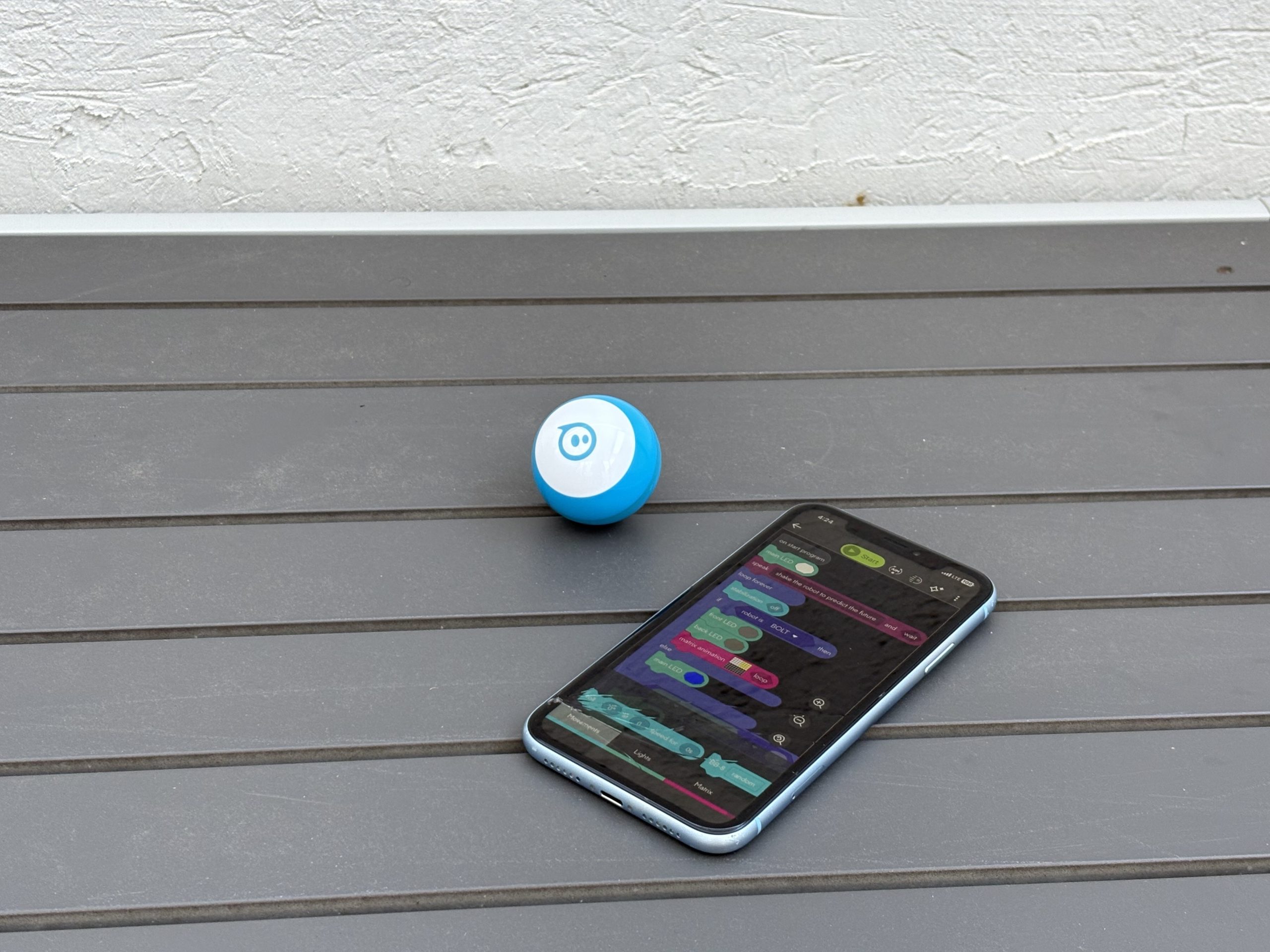
Sphero Mini works well because kids can enjoy driving and playing with the robot before they ever write a line of code, then gradually use block-based programming to control its movement. Reviewers like its small size, accessible app, and programming features. Some users report occasional connectivity or control frustrations, however, and the educational value depends on children moving beyond simply using it as a remote-controlled toy.
Pros: Fun immediately; approachable introduction to coding; room for experimentation.
Cons: App and Bluetooth connection can occasionally frustrate; easy to use without actually engaging with the coding features.
Makeblock mBot2 Coding Robot
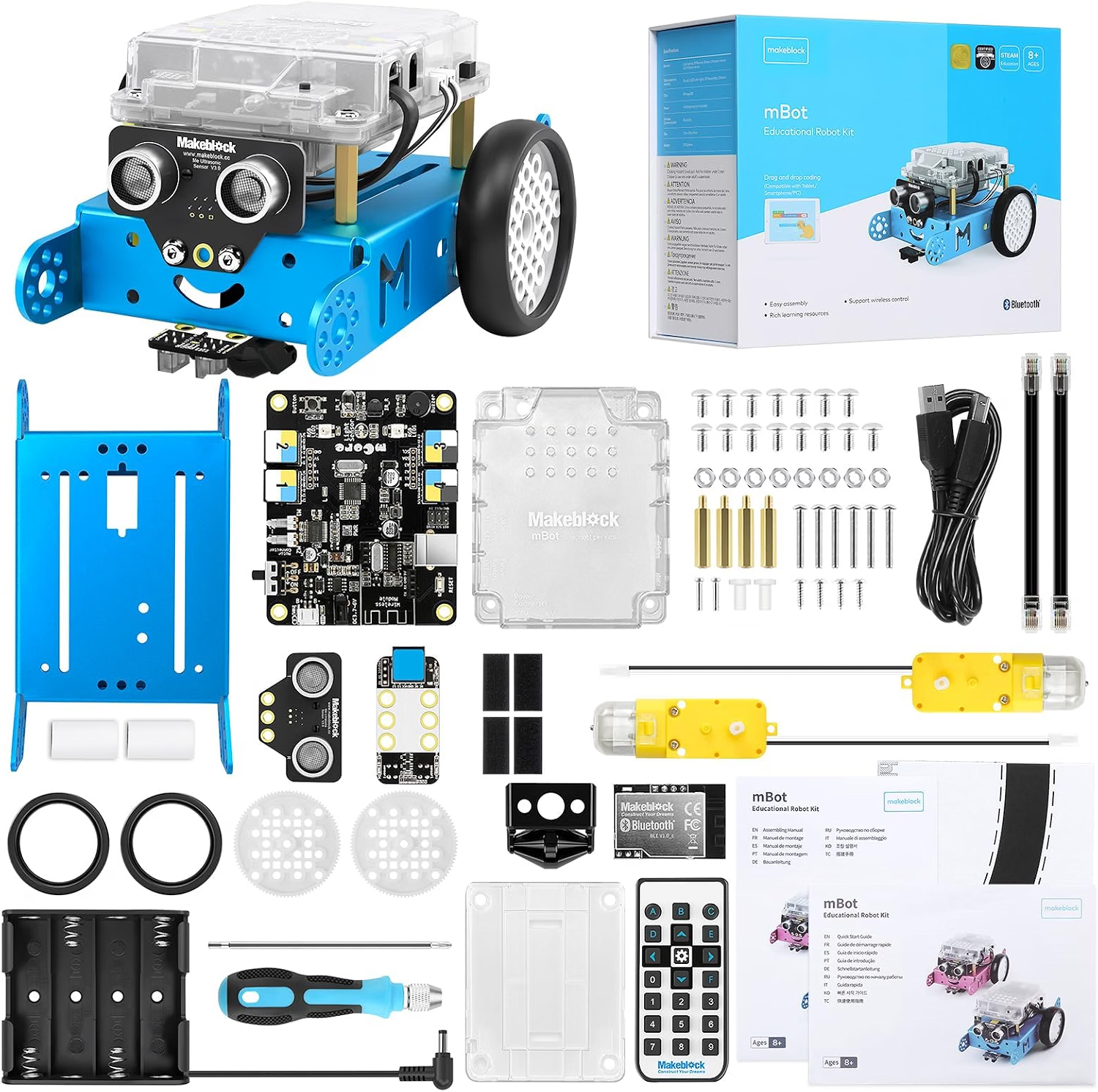
The mBot2 is a great choice for kids who are ready to move beyond introductory coding toys. Children assemble a real programmable robot and use sensors, motors, lights, and sound while learning block-based coding, with the option to progress to Python as their skills grow. Its many projects and expandable design give it excellent long-term value, although the relatively high price and more involved setup make it better suited to kids who already have a serious interest in robotics.
Pros: Excellent room to grow; combines building, coding, and electronics; supports block coding and Python; rechargeable.
Cons: Expensive; more setup and adult help may be needed initially.
Logic & Executive Function
Kanoodle Brain Teaser
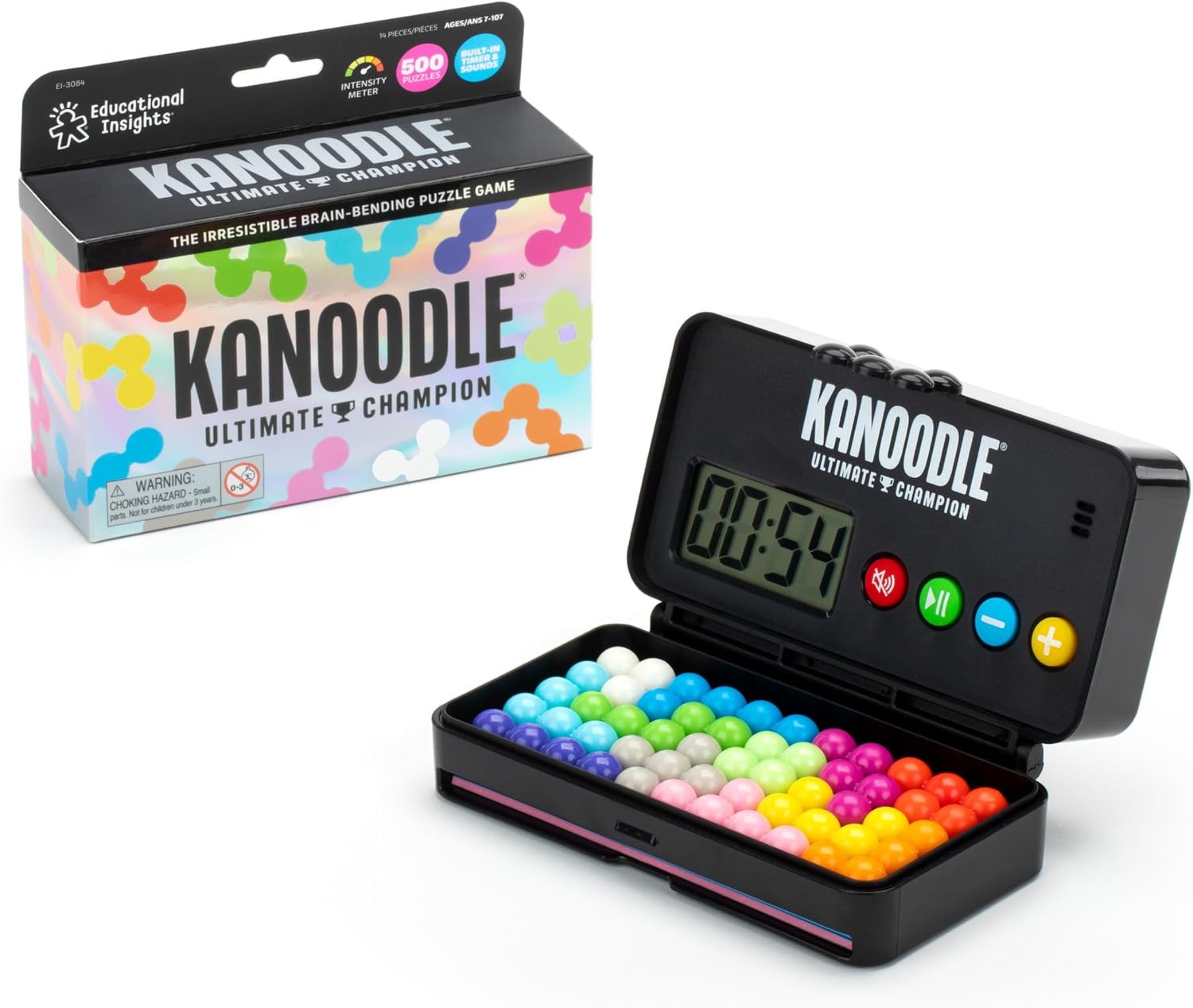
Kanoodle packs a surprising amount of challenge into a very small puzzle. Its large selection of progressively harder 2D and 3D challenges gives kids repeated practice with spatial reasoning, planning, persistence, and flexible thinking, and reviewers frequently praise its portability and ability to hold both children and adults’ attention. The compact pieces are smaller than some buyers expect, and the hardest puzzles can become genuinely difficult.
Pros: Hundreds of challenges; excellent difficulty progression; compact enough for travel.
Cons: Small pieces; advanced challenges may frustrate children who dislike sustained puzzles.
BrainBolt Memory Game
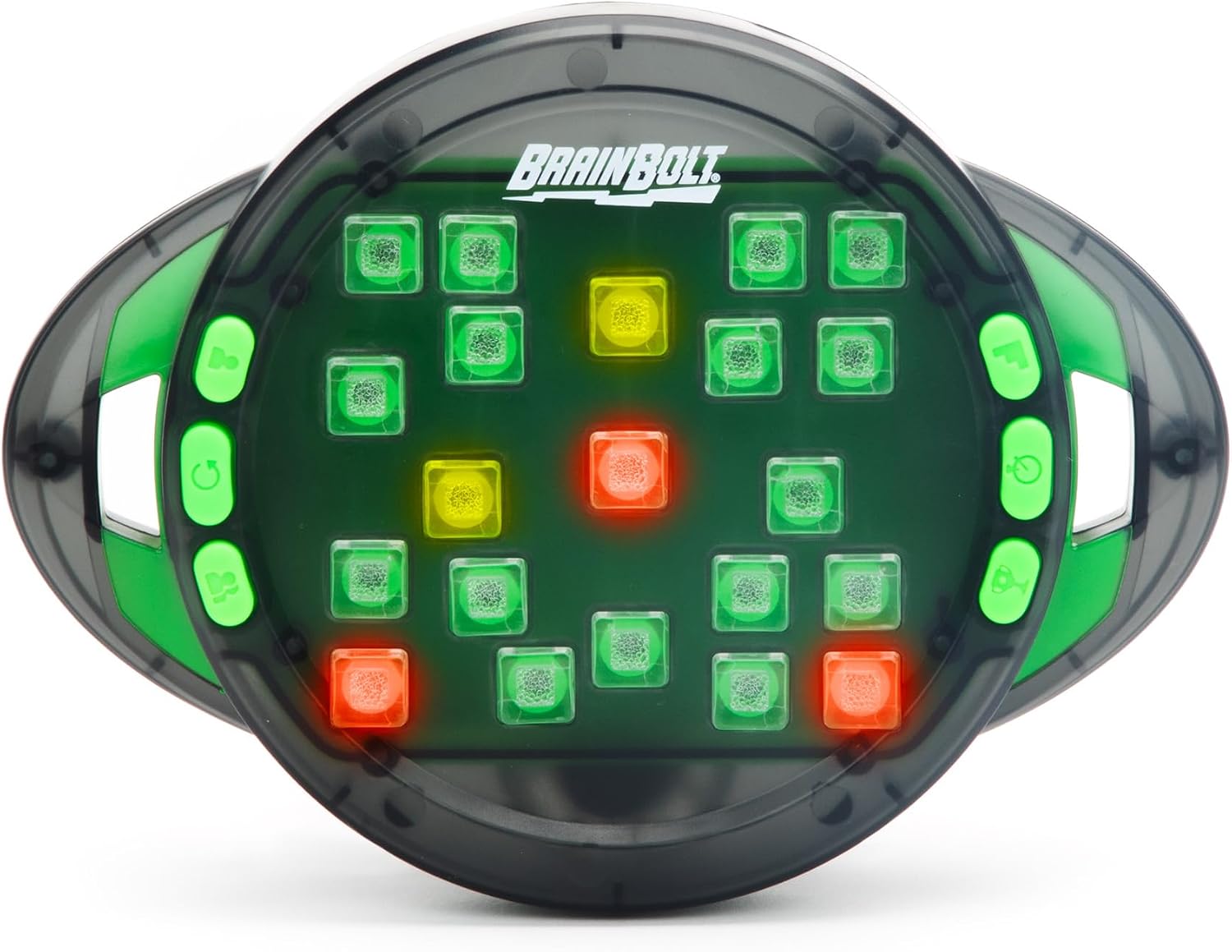
BrainBolt turns working-memory practice into a fast electronic game by asking players to remember increasingly difficult light patterns. It is easy to pick up, portable, and can be played alone or competitively, which gives it more replay value than a simple memory worksheet disguised as a toy. Reviewers enjoy the challenge but note that the sounds can be annoying and that gameplay eventually becomes somewhat repetitive.
Pros: Directly challenges working memory and attention; fast setup; portable and replayable.
Cons: Limited variety compared with a strategy game; sound effects may bother some users.
ThinkFun Rush Hour – Editor’s Pick!
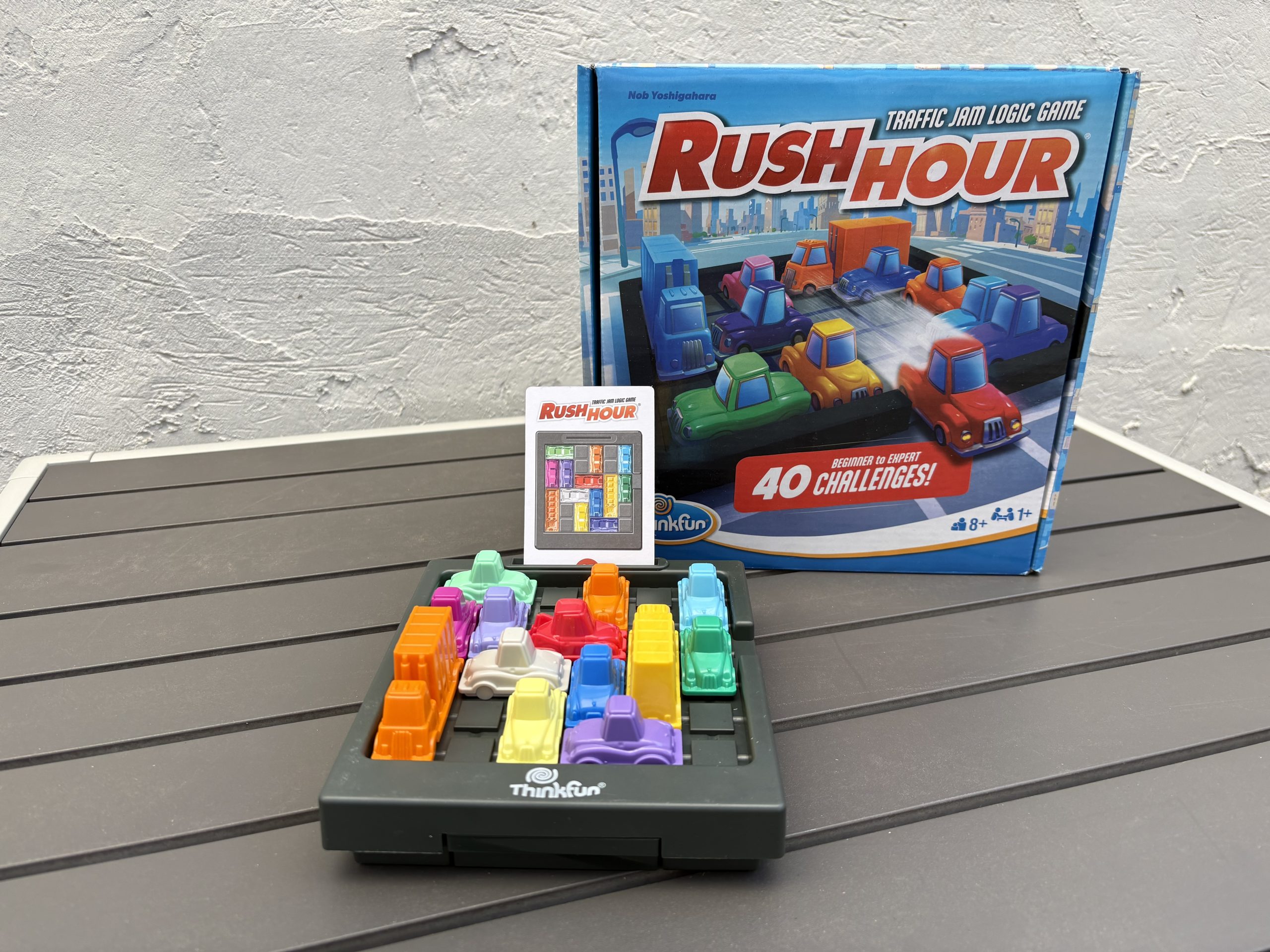
Rush Hour is one of the best examples of a simple puzzle that becomes substantially more demanding as kids improve. Players must move vehicles in the correct sequence to free the blocked car, encouraging planning, inhibition, and thinking several moves ahead. Reviewers like its progressive difficulty and solo-play value; the biggest limitation is that it is fundamentally a one-player puzzle rather than a social board game.
Pros: Excellent sequential reasoning; progressively harder challenges; highly replayable for puzzle fans.
Cons: Primarily a solo activity; some versions are smaller than buyers expect.
Reading & Languages
Bananagrams
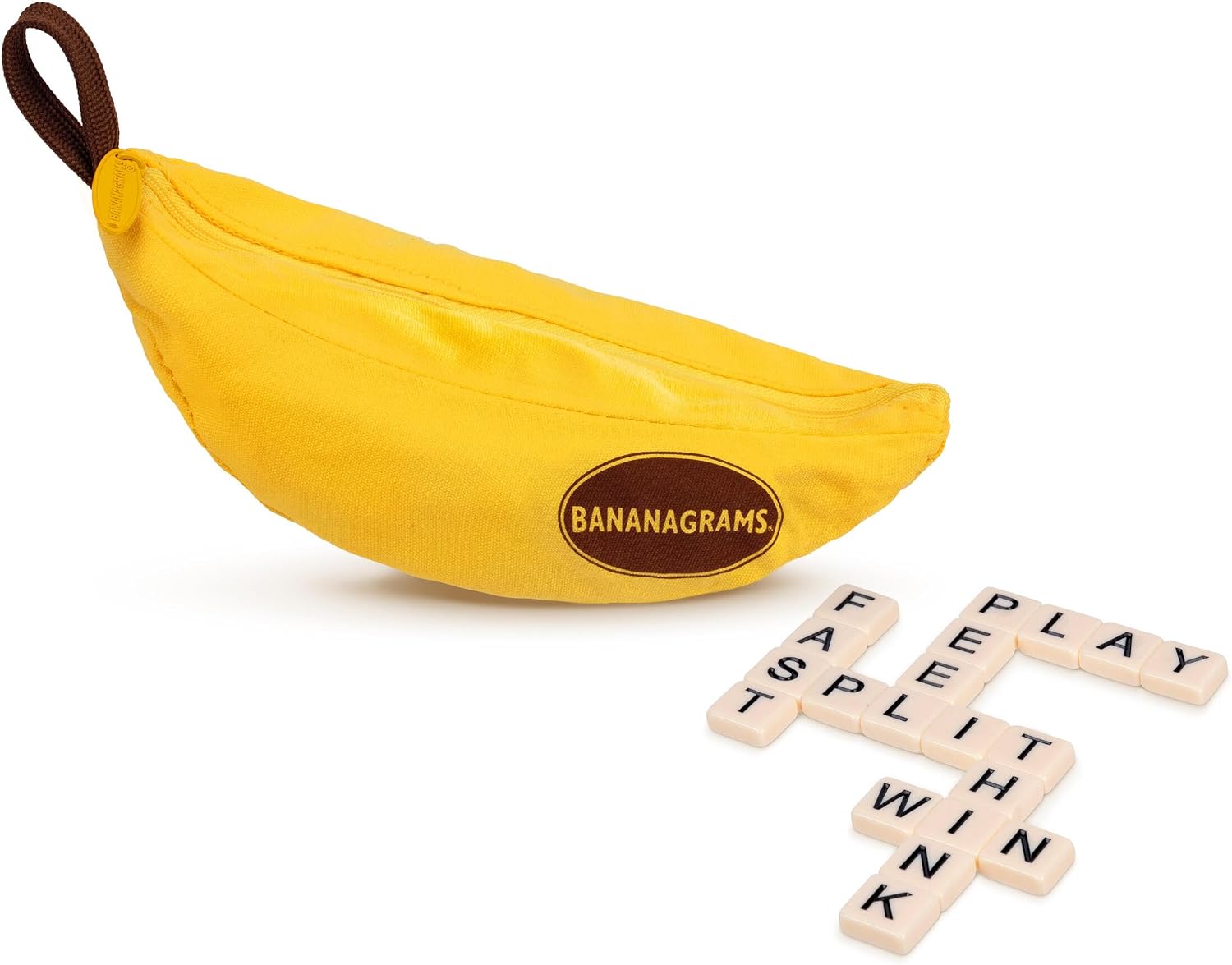
Bananagrams makes spelling and vocabulary practice feel competitive rather than academic. Because every player is constantly rearranging letters and rebuilding words, kids practice quick word retrieval, flexible thinking, and spelling while playing a genuinely fast-paced game. That speed is also its main drawback: children who are slower spellers or perfectionists may find themselves overwhelmed when playing against stronger readers.
Pros: Fast, social, and highly replayable; reinforces spelling and vocabulary; easy to travel with.
Cons: Speed can disadvantage weaker spellers; less suitable for children who prefer slower strategic play.
Rory’s Story Cubes
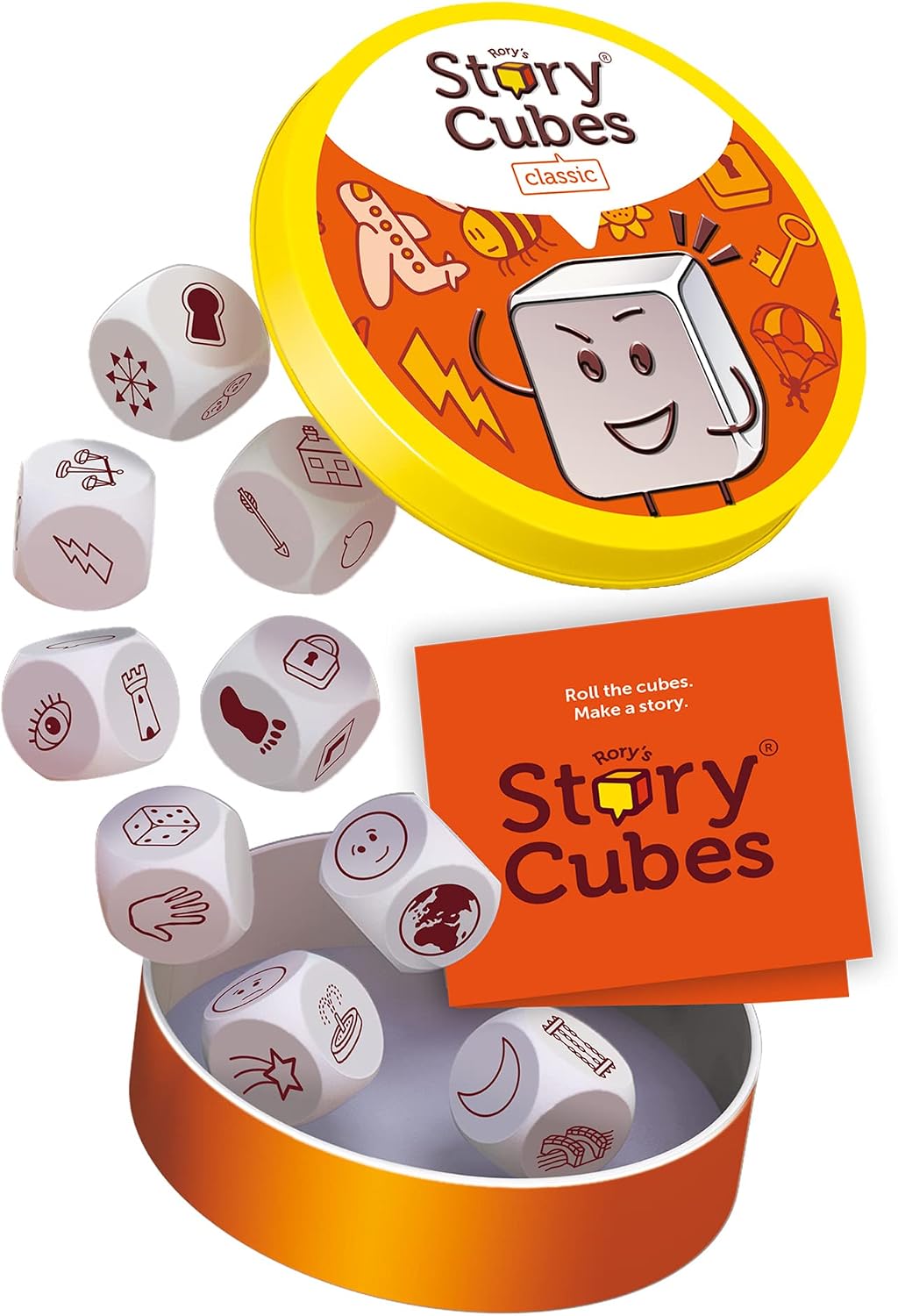
Story Cubes are deceptively simple: roll nine picture dice and use the results to create a story. That open-ended format gives kids practice with narrative structure, vocabulary, improvisation, creativity, and oral communication without making the activity feel like a writing assignment. Reviewers enjoy the flexibility, although some images can be ambiguous—which can be either a drawback or another opportunity for creative interpretation.
Pros: Excellent for imagination and storytelling; almost unlimited replay value; works alone or socially.
Cons: Very little structure for children who need more guidance; some symbols can be difficult to interpret.
Spanish Vocabulary Bingo
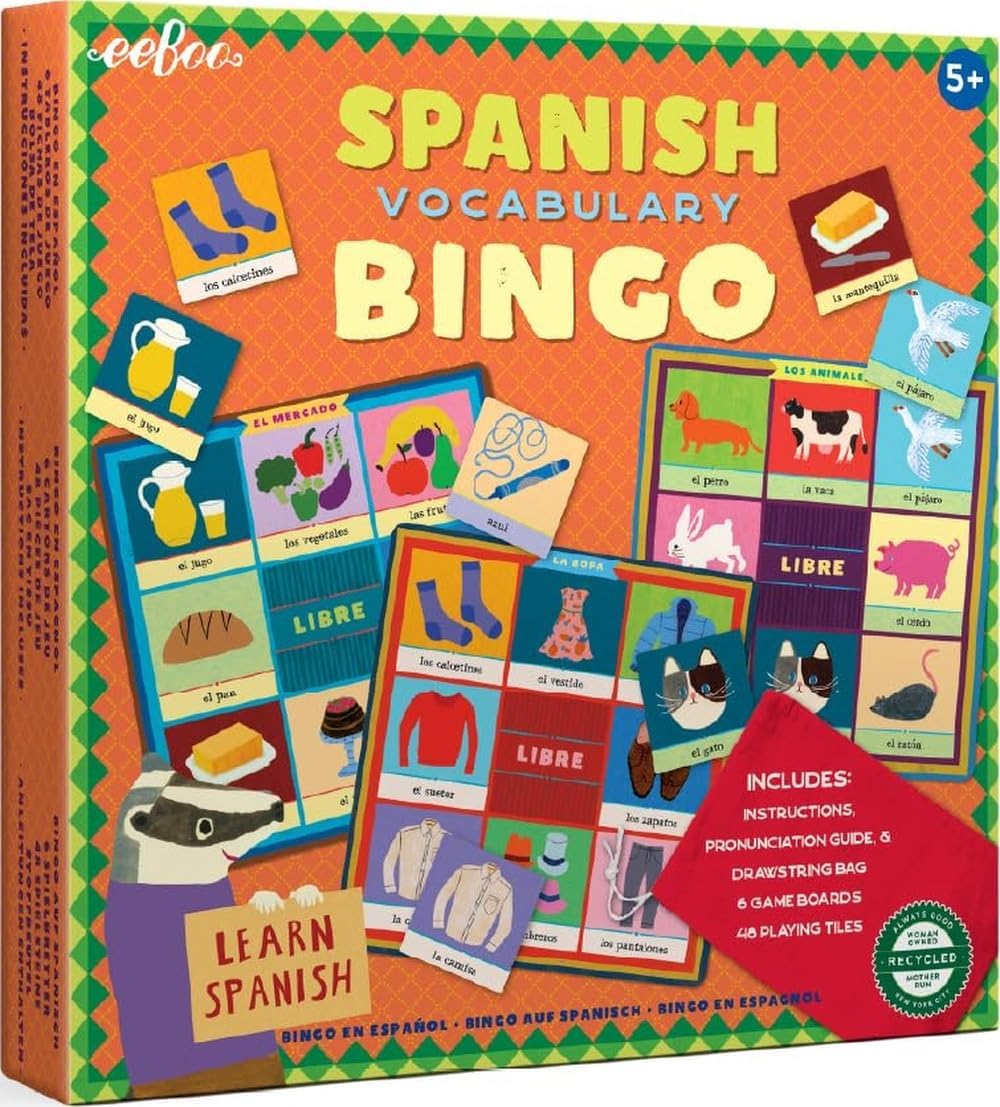
Spanish Bingo provides a low-pressure way to learn and reinforce common vocabulary through a familiar game. Matching spoken words to pictures and written vocabulary can strengthen recognition and pronunciation, while multiplayer gameplay makes repetition much less tedious than flashcards. Reviews praise the sturdy pieces and educational value, though the relatively basic vocabulary means experienced Spanish students may outgrow it quickly.
Pros: Makes vocabulary practice social and repetitive without feeling drill-heavy; easy rules; useful pronunciation practice.
Cons: Limited depth for students who already know basic Spanish; requires other players for the best experience.
Art & Creativity
Origami Kit
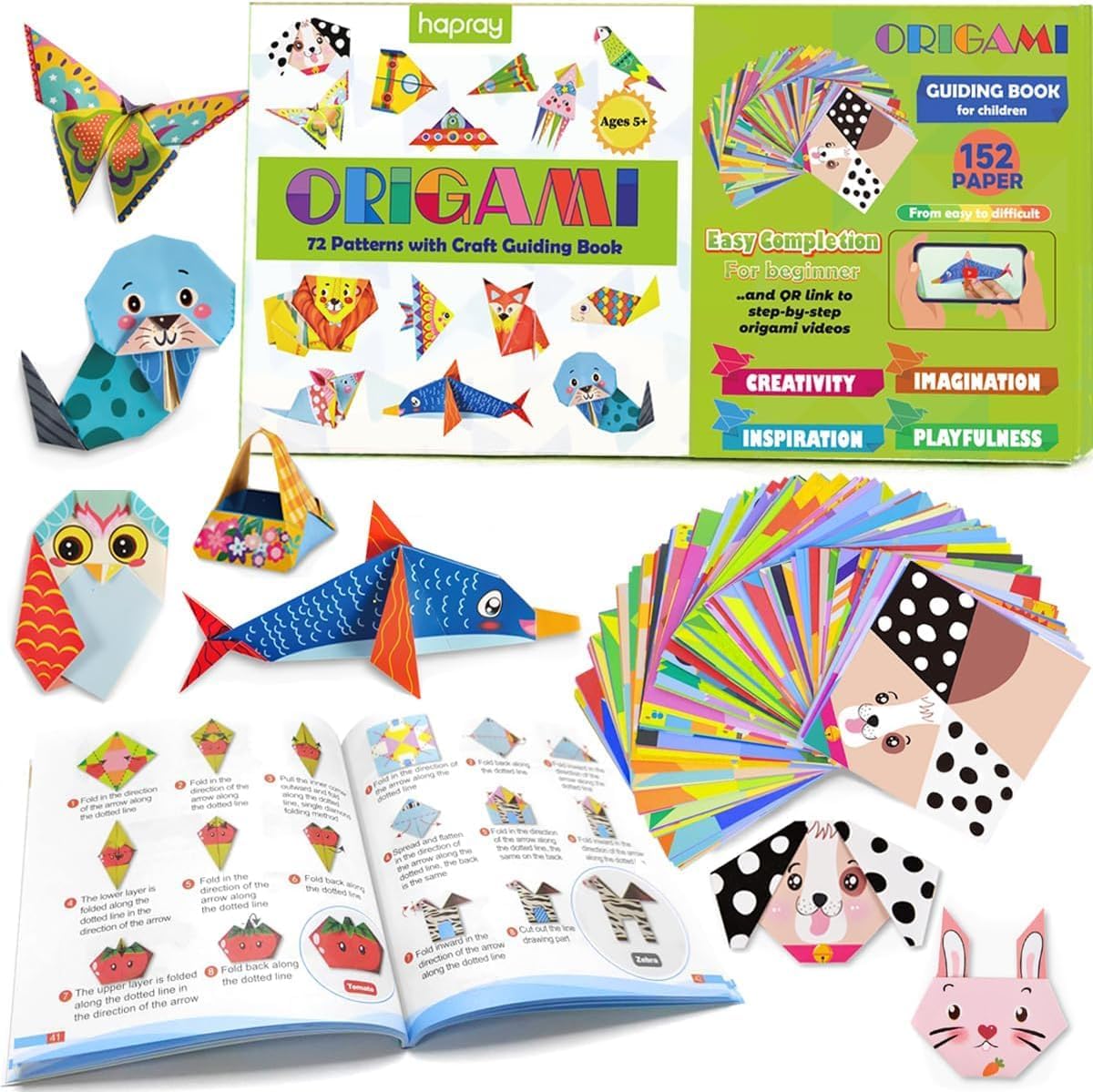
A good origami kit offers more educational value than its simple materials suggest. Following increasingly complicated folds exercises visual-spatial reasoning, attention to detail, sequencing, and persistence while still giving kids something attractive to create. The best kits include lots of paper and graduated instructions; the main downside is that unclear diagrams or projects that advance too quickly can frustrate beginners. Amazon’s better-selling children’s origami kits generally receive strong ratings, but instruction quality varies considerably between sets.
Pros: Inexpensive, screen-free creative activity; develops spatial reasoning and precision; many possible projects.
Cons: Instruction quality matters; difficult folds can frustrate beginners.
Loom Kit
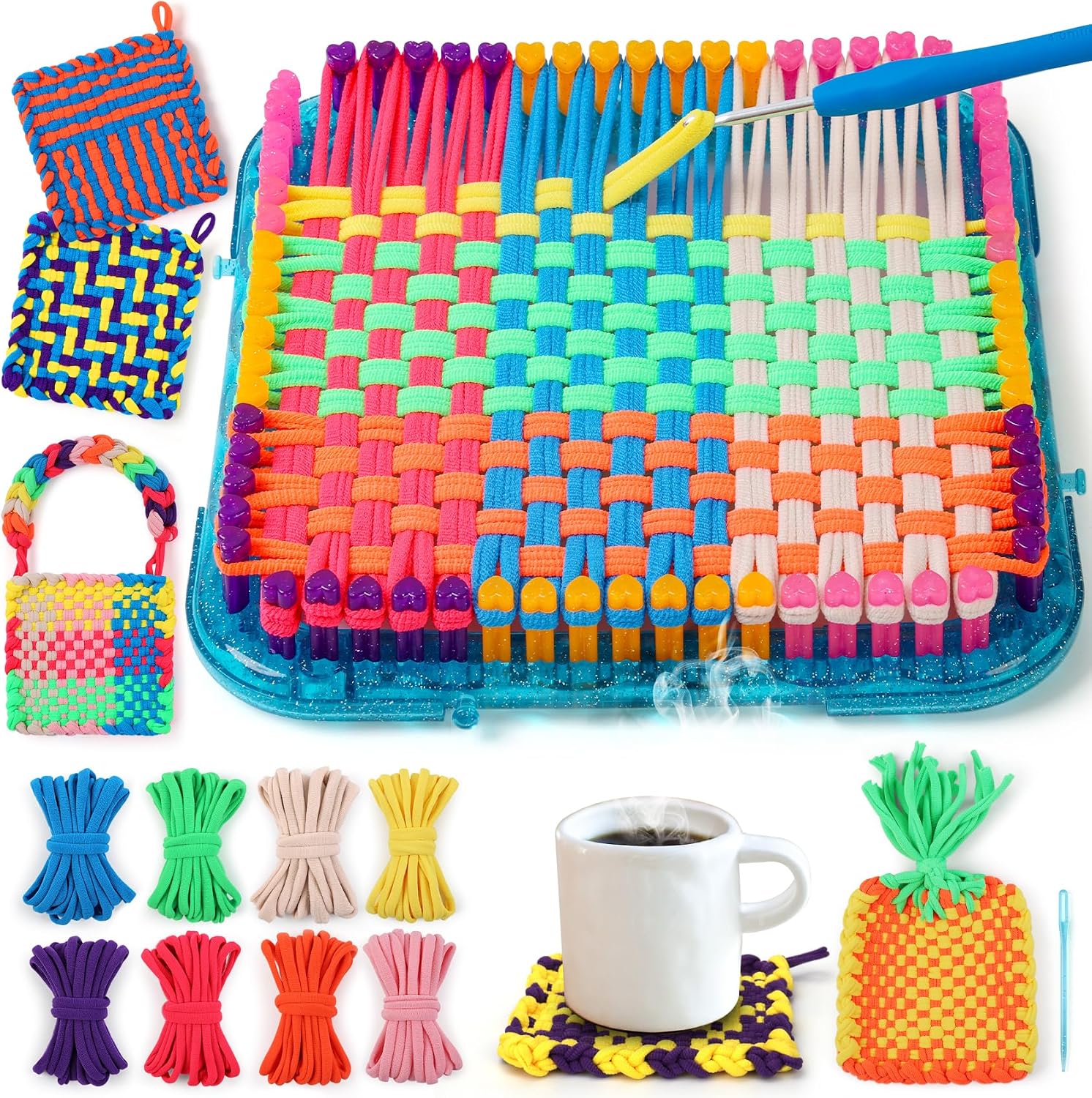
A weaving loom gives kids a chance to learn a genuine craft rather than simply decorating a premade object. Repeating patterns builds concentration, sequencing, and fine-motor control, and the finished potholders or woven pieces give children a satisfying result they can actually use or give away. Reviewers like the activity and finished products, but some kits have loose pegs or tight loops that make weaving harder than expected.
Pros: Teaches a real creative skill; encourages patience and pattern recognition; produces usable finished projects.
Cons: Can be tough on smaller fingers; some looms have pegs or loops that are frustrating to work with.
Digital Camera/Instant Printer
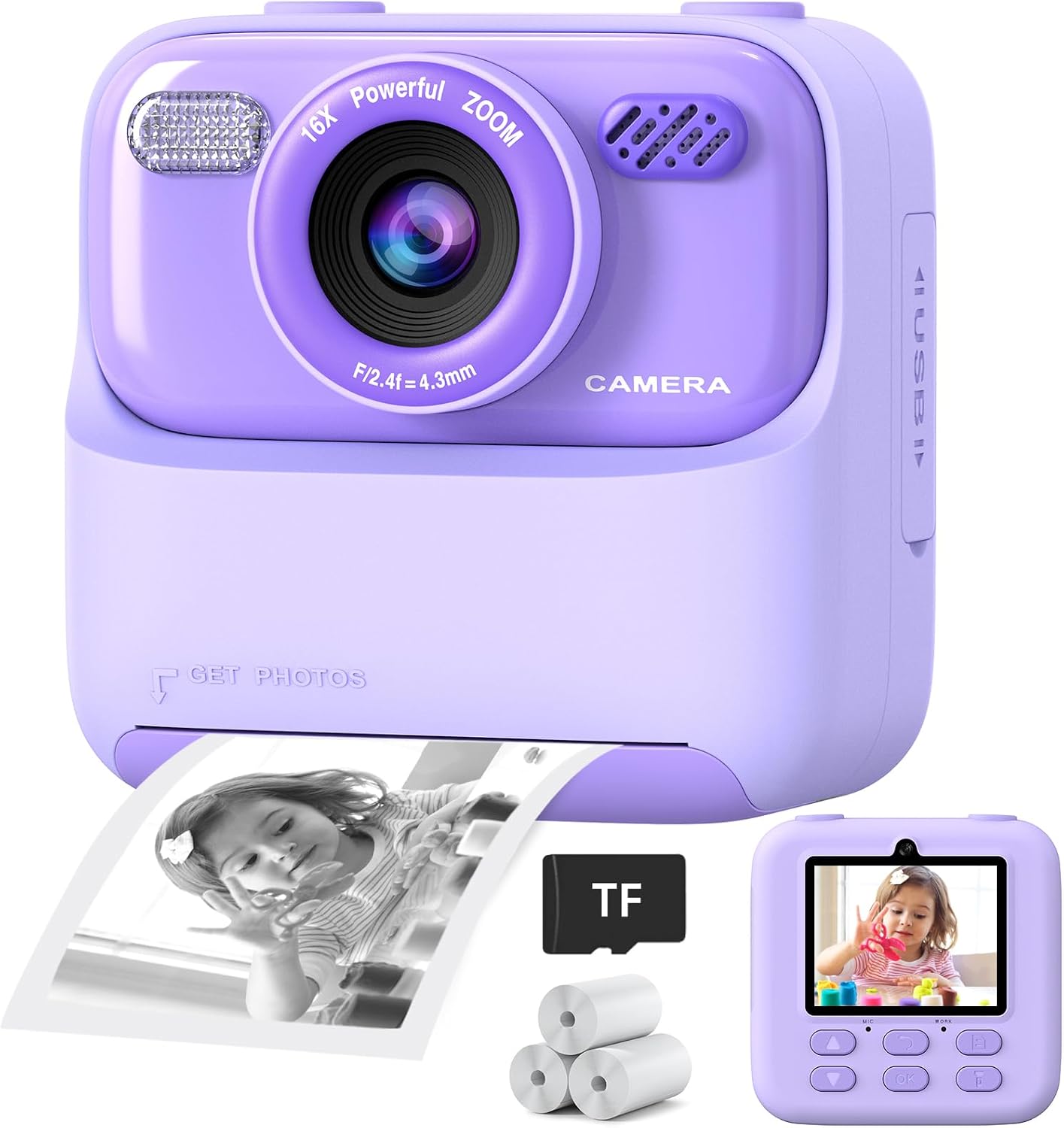
An instant-print kids’ camera can turn ordinary photography into a creative project by letting children shoot, print, decorate, and share their own images immediately. Kids tend to love the instant results, and inexpensive thermal paper means they can experiment freely without worrying about wasting film. The prints are usually small and black-and-white rather than photo quality, and customer reviews of children’s instant cameras sometimes mention software glitches or durability issues.
Pros: Immediate creative payoff; encourages experimentation with photography; inexpensive printing.
Cons: Print quality is intentionally basic; electronics may not be as durable as a conventional camera.
3Doodler Start+ Pen Set
The 3Doodler is especially good for kids who like to draw but are ready to turn flat designs into physical objects. It encourages experimentation, spatial reasoning, hand-eye coordination, and iterative design, and parents and teachers report that children can become deeply absorbed in creating their own projects. The main concerns are the ongoing cost of replacement filament and occasional reports of pens clogging or failing over time.
Pros: Highly creative and open-ended; introduces 3D design concepts; strong replay value.
Cons: Requires replacement filament; some users report durability or clogging problems.
Drawing/Painting Kit
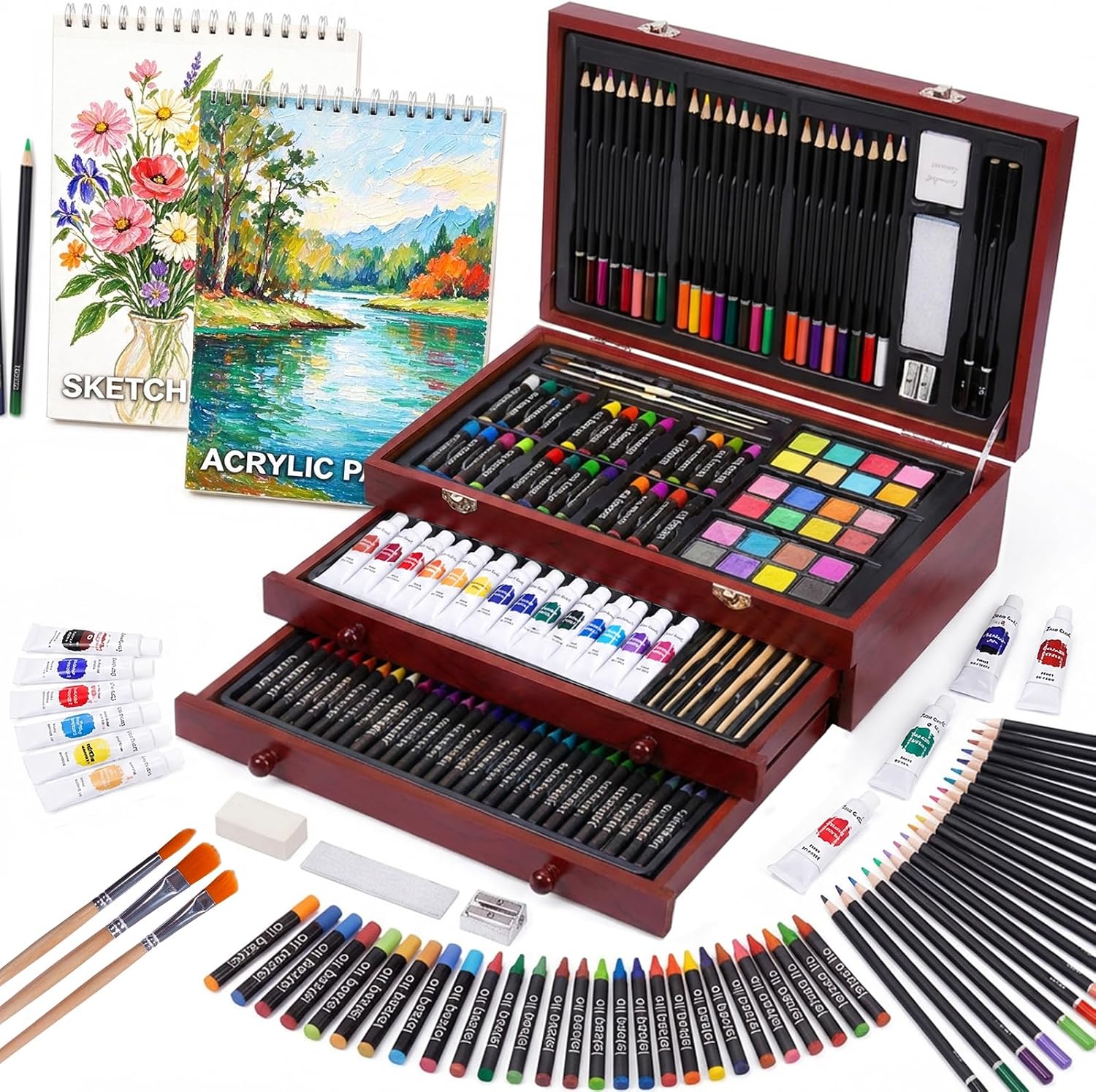
A large drawing and painting set is a good choice for a child who wants to explore several art media before committing to one. Having pencils, paints, pastels, markers, and paper in one organized kit encourages independent experimentation and gives young artists room to discover what they enjoy most. Customer reviews of comparable deluxe sets praise the variety and value, while noting that the supplies are generally beginner-grade and that some storage cases can be flimsy.
Pros: Lots of creative options in one gift; good value for beginners; encourages independent experimentation.
Cons: Individual supplies are not professional quality; cases and drawers can be less durable than the art materials themselves.
How to Choose Educational Toys for 8, 9, and 10 Year Olds
Age recommendations still matter, but children in this range differ widely in patience, interests, reading ability, and independence. When choosing educational toys for 10 year olds or younger upper-elementary students:
- Match maturity, not just age. An advanced eight-year-old may love a toy labeled 10+, while some ten-year-olds will prefer shorter, more accessible challenges.
- Look for depth. Multiple levels, strategies, experiments, builds, or solutions will usually hold interest longer than a single activity.
- Let kids struggle a little. A toy that takes several tries can encourage persistence and problem-solving, as long as success still feels attainable.
- Prioritize independence. By this age, many kids can manage longer projects and complicated games without an adult directing every step.
- Avoid anything that feels too young. Even a worthwhile activity may get rejected if the design, language, or challenge level feels babyish.
- Consider social play. Strategy and cooperative games can add communication, negotiation, and perspective-taking to the challenge.
- Choose something with room to grow. The best gifts become more interesting as children become more skilled at using them.
The Best Educational Gifts Give Kids Something to Master
By ages 8–10, children are moving beyond simply discovering what interests them. They are increasingly capable of becoming good at something. That might mean finally solving a difficult puzzle, completing an ambitious model, mastering a strategy game, writing a program that actually works, or taking a science experiment beyond the instructions in the box.
When shopping for educational toys for 10 year olds, 9 year olds, or 8 year olds, do not focus only on what the toy claims to teach. Look for something that gives the child a worthwhile challenge and a reason to keep coming back to it.
The best educational toys do more than provide information. They give children something worth practicing, solving, building, creating, or mastering.


Leave A Comment
You must be logged in to post a comment.